
Remote work has changed how people structure their days, offering flexibility but also introducing new challenges. Without a traditional office environment, remote workers must rely on self-discipline, planning, and focus to stay productive. Distractions at home, unclear schedules, and blurred work-life boundaries can easily reduce efficiency. This is why using effective time management techniques becomes essential. When remote workers manage their time properly, they complete tasks more efficiently, reduce stress, and maintain a healthier balance between personal and professional life. Understanding practical and realistic techniques can help remote professionals stay organized and achieve consistent results.
Time management helps remote workers create structure in an otherwise flexible environment. Without a fixed schedule, it becomes easy to delay tasks or lose track of priorities. Managing time effectively ensures that important responsibilities receive proper attention and deadlines are met. It also helps prevent overworking, which can happen when work hours are not clearly defined. By organizing tasks and allocating specific time periods for work, remote workers can maintain productivity while still protecting their personal time. This balance contributes to long-term consistency and prevents burnout.
Setting daily priorities allows remote workers to focus on what truly matters. Instead of reacting to tasks randomly, workers can identify the most important responsibilities at the start of the day. This approach reduces confusion and improves decision-making. When priorities are clear, it becomes easier to complete meaningful work without wasting time on less important activities. It also provides a sense of direction and accomplishment. Even if unexpected tasks arise, having a defined list of priorities ensures that essential work is not neglected.

Time blocking is a technique that involves dividing the day into specific time slots for different tasks. Each block is dedicated to a single activity, such as meetings, focused work, or administrative tasks. For example, implementing a face recognition attendance system can be scheduled as a dedicated task within a time block, ensuring proper setup and monitoring without distractions. This method helps remote workers avoid multitasking, which often reduces efficiency. By focusing on one task at a time, including managing systems like face recognition attendance, workers can maintain better concentration and complete tasks faster. Time blocking also makes it easier to visualize the day and ensure that enough time is allocated for both work and breaks.
Distractions are one of the biggest challenges in remote work. Household responsibilities, social media, and interruptions can easily disrupt focus. Remote workers can reduce distractions by setting clear boundaries with others at home and creating a consistent work routine. Turning off unnecessary notifications and using focus techniques, such as working in short, uninterrupted sessions, can also improve concentration. Recognizing personal distraction patterns and addressing them directly helps remote workers maintain control over their time.
Taking regular breaks may seem counterproductive, but it actually improves overall efficiency. Continuous work without breaks leads to mental fatigue, which reduces concentration and performance. Short breaks allow the mind to recover and return to tasks with renewed focus. Remote workers who schedule breaks intentionally often experience better productivity and fewer errors. Breaks also support physical well-being by reducing strain from prolonged sitting and screen exposure. Maintaining a balanced rhythm between work and rest is key to sustained performance.
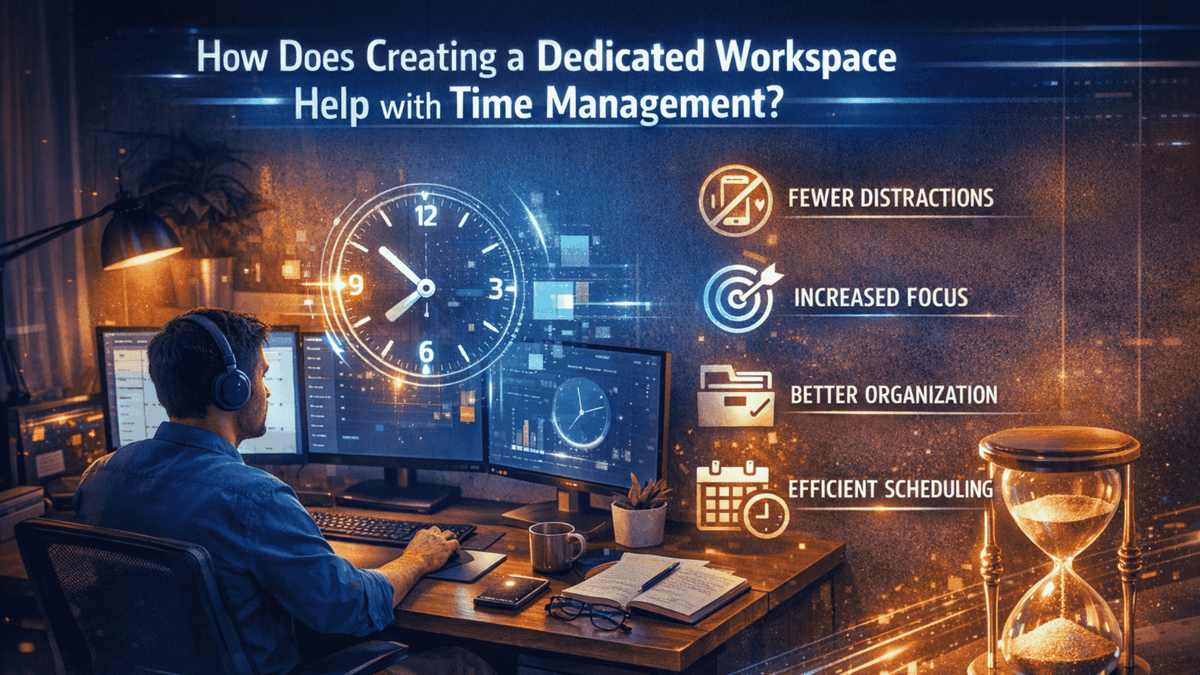
A dedicated workspace helps secure remote workers separate professional and personal activities. When work is done in a specific location, it becomes easier to mentally switch into a productive mindset. This physical boundary reduces distractions and enhances focus while maintaining a secure environment. Consistency in using the same space helps establish a routine, and over time, the brain associates the workspace with productivity. Even a small, organized area can make a significant difference for secure remote workers in managing time and completing tasks efficiently.
Digital tools can help remote workers track tasks, monitor progress, and stay organized. These tools provide insights into how time is spent and help identify areas where efficiency can improve. For example, platforms like EmpMonitor provide visibility into work patterns, helping individuals understand their productivity habits. When used responsibly, such tools support better planning and encourage accountability. They also help remote workers maintain awareness of their schedules and adjust their routines when necessary.
Reviewing the day allows remote workers to evaluate what worked well and what did not. This reflection helps identify productive habits and areas that need improvement. By analyzing completed tasks and time usage, workers can make better decisions about future schedules. This process encourages continuous improvement and prevents repeated mistakes. Over time, daily reviews lead to stronger time management skills and more consistent productivity. Even a few minutes of reflection can provide valuable insights.